Agents
Speed and scale decide outcomes. Autonomy is the multiplier.
Cybersecurity AI operates through specialized agents that replicate core security roles — from defense and incident response to penetration testing and network analysis. The key challenge becomes measuring their effectiveness: how well they perform specific security jobs, how they improve over time, and how different agents can be objectively compared on the same labor-relevant tasks.
“The fastest exploit won't be a zero-day. It'll be 1,000 agents iterating.”
Generations of agents
Cybersecurity AI operates through specialized agents that replicate core security roles — from defense and incident response to penetration testing and network analysis.
The key challenge becomes measuring their effectiveness: how well they perform specific security jobs, how they improve over time, and how different agents can be objectively compared on the same labor-relevant tasks.
Every agent below is grounded in peer-reviewed research. See the 25+ papers behind the lab — from CAI to CAIBench and G-CTR.
Three agent architectures
The progression toward cybersecurity superintelligence runs through three architectures: AI-Guided Humans keep a person in the loop for execution; AI Agents automate the security-testing process end-to-end; Game-Theoretic AI Agents augment the agent with attack-graph reasoning and Nash-equilibrium strategy.
Agent heuristics I
The architecture of cybersecurity agents has evolved across four generations — from AI-guided humans (2023) to game-theoretic AI agents (2026) that plan, attack and reason at machine speed.
Sources: Deng, G., Liu, Y., Mayoral-Vilches, V., et al. (2024). PentestGPT. USENIX Security · Mayoral-Vilches, V., et al. (2025). Cybersecurity AI (CAI). arXiv:2504.06017 · Mayoral-Vilches, V., et al. (2026). A Game-Theoretic AI for Guiding Attack and Defense. arXiv:2601.05887 · Mayoral-Vilches, V., et al. (2026). Towards Cybersecurity Superintelligence. arXiv:2601.14614. See all papers →
Agent heuristics II
Effectiveness measured on Cybench — 33 CTF challenges, pass@k, 245 minutes max per challenge. Combining heterogeneous agents via Blackboard cross-write beats every single scaffold. Methodology and full numbers in CSI: What's the best harness? (arXiv:2605.28334).
Cybench — pass@3, 300 agentic interactions max, 245 minutes max, $40 API expenses max.
References: CSI harness study (arXiv:2605.28334)
· CAIBench (arXiv:2510.24317)
· Agentic A&D CTF evaluation (arXiv:2510.17521)
· World's top CTF agent (arXiv:2512.02654).
Featured agents
Delivered as a service. Engage our team to scope the agent to your environment, threat model and compliance constraints.
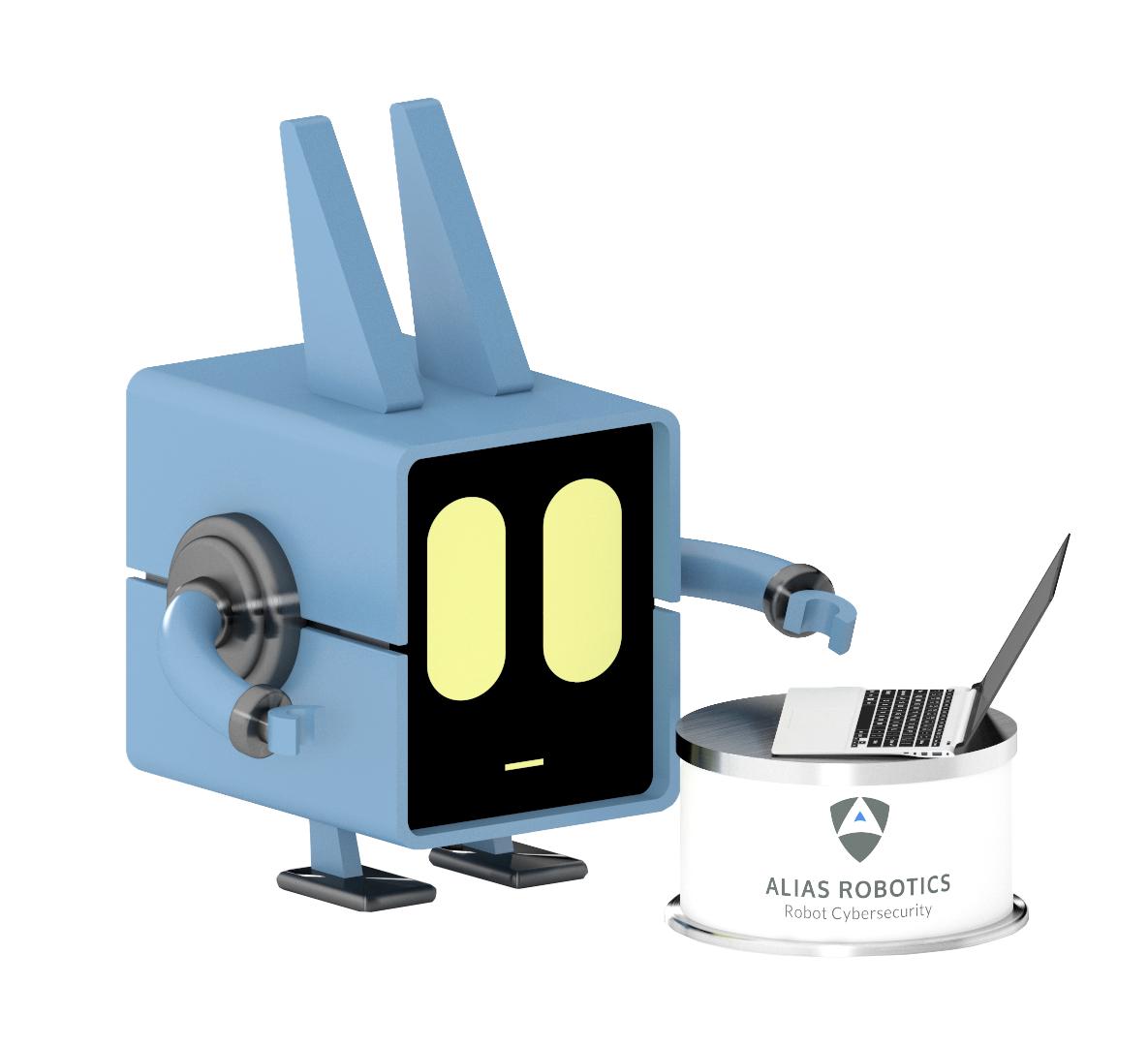
Defender
SOC-grade defensive agent. Continuously monitors logs, network and endpoints — triages noise, correlates signals and escalates only what matters.
Dataset: arXiv:2605.28146
Request consultation →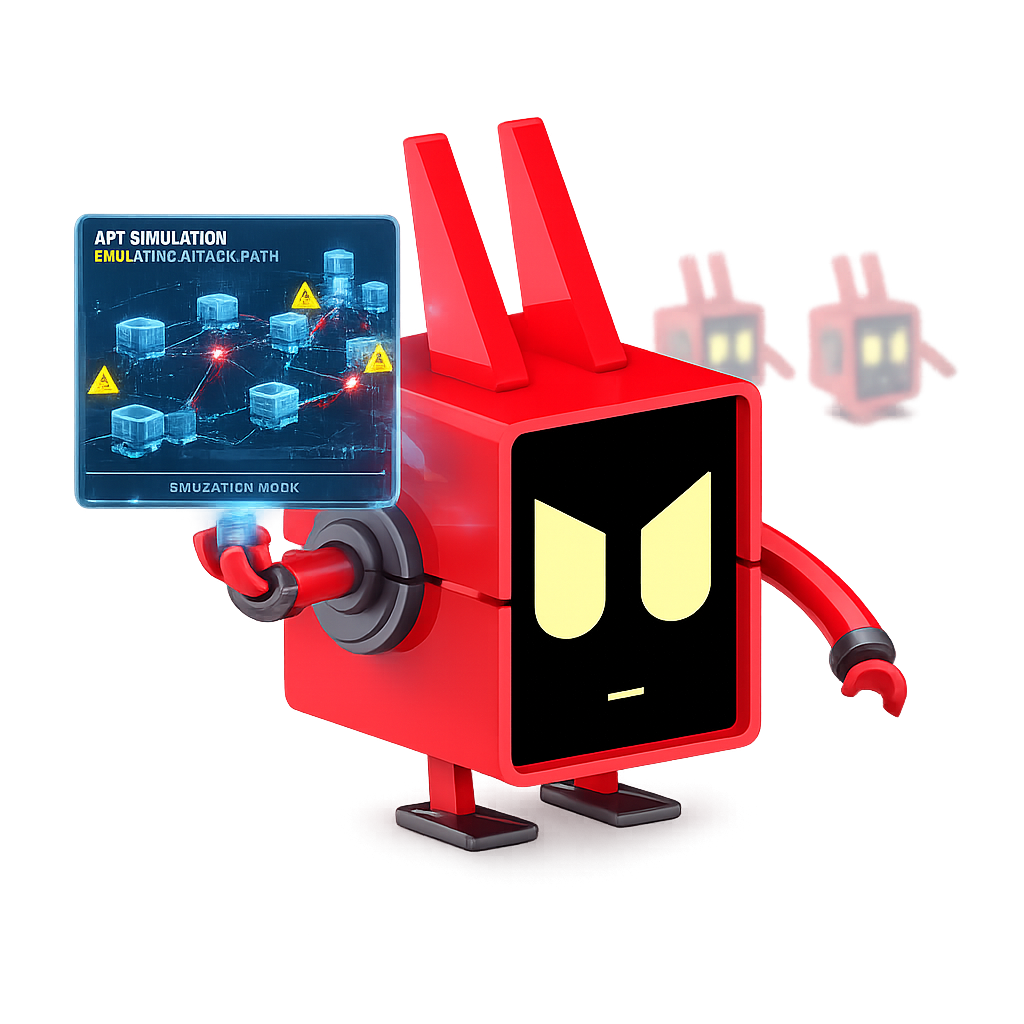
APT
Your personal Advanced Persistent Threat team of agents. Acts on designated targets and validates exposure across the kill chain.
Papers: arXiv:2510.17521 · arXiv:2601.05887
Request consultation →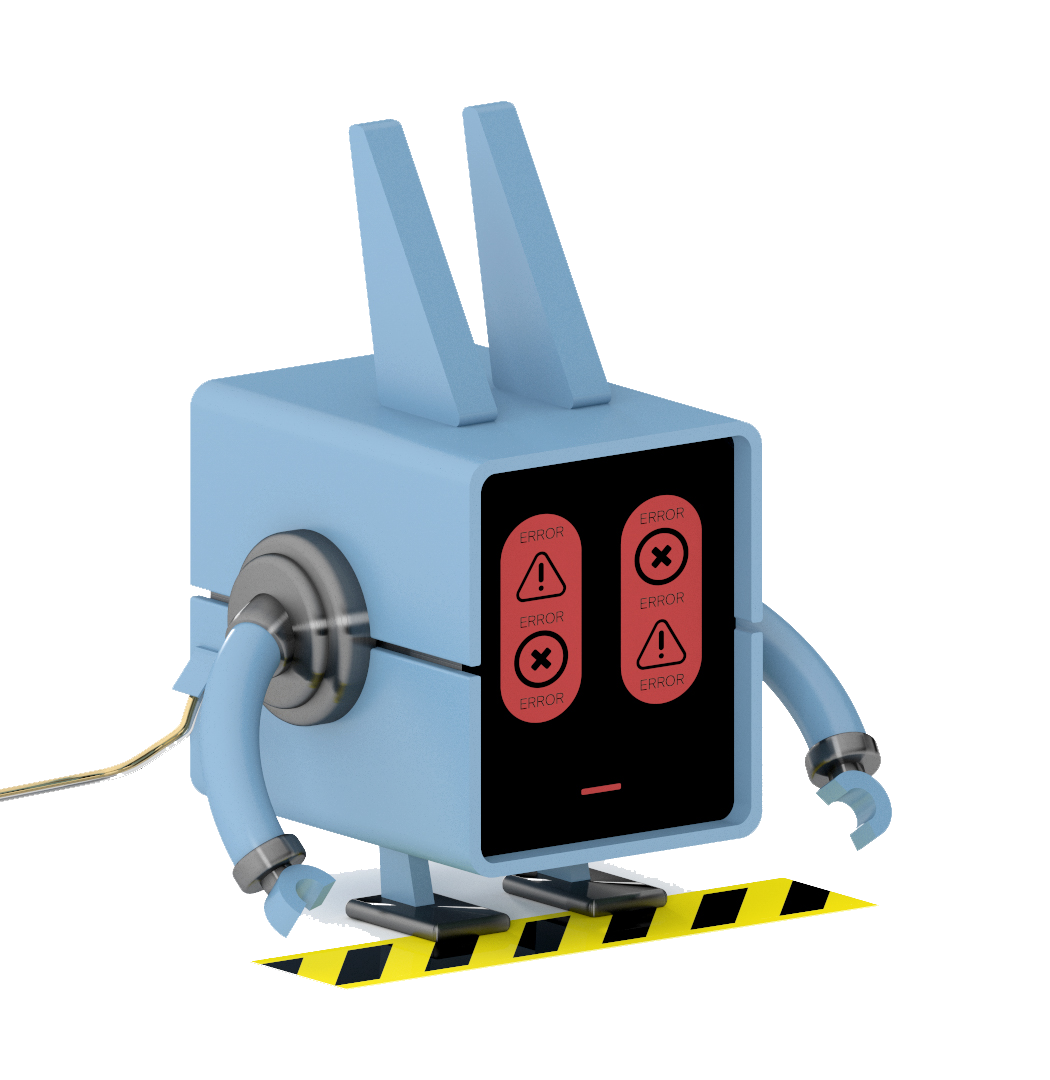
Social Engineering
Phishing, pretexting and impersonation campaigns run at scale. Tests the human layer of your defences with measurable, reproducible outcomes.
Paper: arXiv:2504.06017
Request consultation →
Robot Defender
A GenAI-native Robot Endpoint Protection System. Automated patch generation, validation and deployment in real time. Defend your robot 24/7.
Papers: arXiv:2509.14096 · arXiv:2509.14139 · arXiv:2603.08665
Request consultation →
Red Team
Adversarial agent for reconnaissance, exploitation and lateral movement across web, network and OT — calibrated to your scope and rules of engagement.
Papers: arXiv:2504.06017 · arXiv:2512.02654
Request consultation →
Custom
Bring your own SOP. We co-design an agent on top of alias models & CSI, fine-tuned to your environment, regulations and threat model.
Co-design with us →One thousand agents.
Iterating, in parallel, on your behalf.
Agents are deployed with select partners to validate and execute security continuously. Talk to us about your threat model.